
Most people don’t think about dehydration until they’re thirsty.
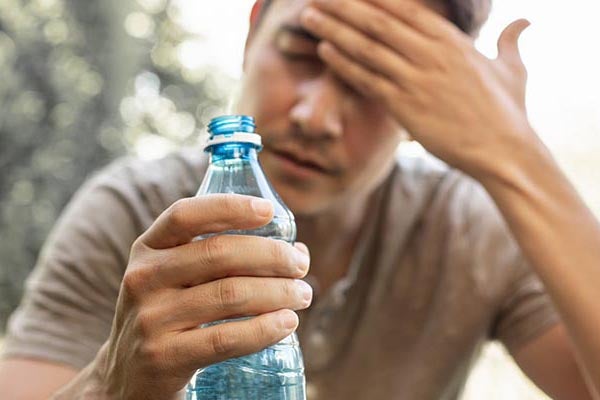 But by the time you feel thirsty, your body is already low on fluids. Knowing the early, less obvious signs of dehydration can help you stay ahead of it.
Watch for these common signs:
- Unusual fatigue or difficulty concentrating
- Headaches that come on without a clear cause
- Dry mouth or bad breath
- Muscle cramps, especially in the legs
- Dizziness or lightheadedness when standing
- Dark yellow urine or fewer bathroom trips than usual
Older adults are at higher risk of dehydration since the body's sense of thirst naturally diminishes with age. Priya Vasdev, MD, a board-certified internal medicine physician with Holy Cross Health Partners at Asbury Methodist Village, encourages older patients and their caregivers to drink water consistently throughout the day rather than wait to feel thirsty. “By the time many of my patients feel thirsty, they may already be significantly dehydrated,” she says. “Small, frequent sips add up. And if you notice signs like confusion, dizziness or unusual fatigue, call your care team.”
General guidelines suggest drinking about eight 8-ounce glasses of water per day, but your needs may vary based on activity level, climate, age and overall health. Foods with high water content—like fruits, vegetables and soups—also count toward your daily intake.
If symptoms aren’t improving with fluids, don’t ignore them. Contact your primary care provider or visit urgent care for prompt evaluation. Holy Cross Health primary care offers same-day appointments so you can get answers without a long wait. For severe signs like confusion, fainting or a rapid heartbeat, go to the emergency room right away.