
Safe sleep, safer babies: How Holy Cross Hospital is helping families reduce risks
November 3, 2026When it comes to newborns and their sleeping environment, simple actions can have great impact.
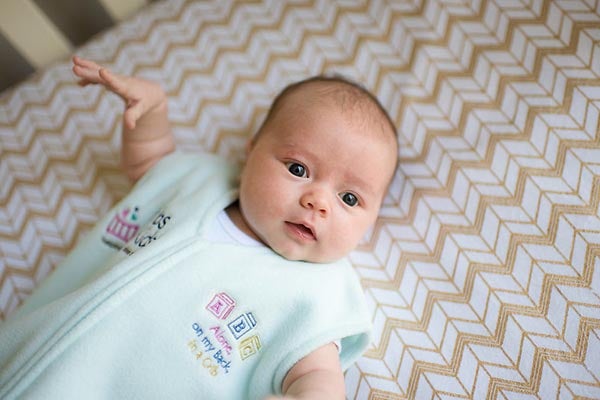 Giving your baby a teddy bear to snuggle while they snooze, keeping a cozy blanket in their crib or even taking a brief nap as they lay on your chest may seem harmless. But each of these can result in Sudden Unexpected Infant Death (SUID)—an umbrella term for the sudden and unexpected death of a baby under 1 year of age that includes SIDS, accidental suffocation and deaths from unknown causes.
Every year in the United States, more than 3,500 babies die due to a sleep-related accident. That’s approximately 10 babies daily. To help lower these harrowing statistics, Holy Cross Hospital—Maryland’s largest delivery hospital—is ensuring each family receives clear, consistent education on safe sleep practices.
Leading the charge for safe sleep awareness are Holy Cross’ Neonatal Intensive Care Unit (NICU) nurses, who help all new parents understand the importance of the ABCs of safe sleep. According to nurse Tamara Sidorov, this acronym (Alone, Back, Crib) is an evidence-based, easy-to-remember approach to reduce the risk of accidental suffocation and other sleep-related incidents.
Alone
Babies 1 year of age and younger should sleep alone in an empty crib. While it may feel odd to not make the space feel “cozy” with pillows, blankets and plushies, these can be life-threatening in baby’s sleeping environment.
“Because they’re developing muscles in the neck, they don’t have the ability to move away from a blanket that might lay over their face, a lovey that might be in the crib or a bumper,” says Sidorov. “There should be nothing loose, including clothing, that could interfere with their ability to breathe.”
Back
It was once believed that stomach or side sleeping was best for infants, but research showed that both positions caused elevated rates of SUID. In the late 1990s, the American Academy of Pediatrics updated their recommendation—babies should be placed completely on their back for every sleep, including naps. This helps prevent airway blockages, reduces overheating and lowers risk of suffocation.
Crib
More than 60 percent of SUID involves soft bedding, whether it’s an adult mattress, couch or infant sleeper. A flat, firm surface with a tightly fitted sheet in a crib or bassinet is crucial for safe sleep.
“Because of the nature of their small anterior airway, they cannot be on a soft, cushy surface, like an adult mattress or couch,” says Sidorov.
While many parents opt to bed-share with their newborn for bonding and easier nighttime feedings, The American Academy of Pediatrics strongly advises against this due to the high risk for suffocation, overheating, falling off the bed or entrapment. Room-sharing is a great alternative, allowing the baby to be in proximity but safely in their own space. Studies show that room-sharing decreases risk of SUID by 50 percent.
Safe sleep beyond the ABCs
In addition to these three important measures, Sidorov stresses the following:
- Create a safe sleep plan, including where baby will sleep, before they’re even born
- Caring for a baby is exhausting, so if a newborn caregiver is dozing off while holding baby, put them in their safe sleep environment
- Assemble a support team of family, friends and neighbors who can support you during this high stress time
- Learn how to transfer your sleeping baby from the car seat to their safe sleep environment
- Seek out evidence-based resources from the American Academy of Pediatrics
- Use a pacifier, but if it falls out during sleep, you don’t have to put it back in
- Be mindful of not overheating the baby (a cute hat is fine for pictures, but should be removed when they’re ready to sleep)
- Caregivers should remain drug- and alcohol-free during pregnancy and the baby’s early years
- Practice tummy time when the baby is awake and supervised (this allows them to exercise their neck muscles)
- Check items you’re registering for or buying through the Consumer Product Safety Commission
Working as one
 As a Gold-level certified Safe Sleep Hospital through the nationally recognized Cribs for Kids program, Holy Cross prides itself on providing the highest standard of messaging for new parents.
This designation involves system-wide collaboration between 15 departments and countless disciplines to ensure patients receive the same information across the board, whether they’re talking to a nurse, pediatrician, OBGYN or resident.
While social media, family or friends can provide conflicting information on newborn best practices, Holy Cross patients can trust that the guidance provided by their care team is in accordance with the most recent national evidence-based recommendations.
“This isn’t limited to the NICU or labor and delivery. It is hospital wide, both at Silver Spring and Holy Cross Germantown Hospital, to ensure that all our health care encounters with families—including those trying to conceive, pregnant people, postpartum individuals and anyone with children less than 1 year of age—have consistent modeling with regard to safe sleep practices both in the hospital and at home,” says Sidorov. “Research shows that when there’s consistency in modeling, especially by health care providers, there’s increased compliance with safe sleep practices at home.”
This consistent messaging is utilized in every encounter, from bedside conversations to community outreach, including baby fairs and newborn care classes, offered virtually and in-person. New and expecting parents can become experts on the ABCs of sleep, but also receive helpful information on breastfeeding, swaddling, how to calm a fussy baby and more.
“We love our babies. We love our families,” says Sidorov. “We want to make sure that when they go home, they thrive and have safe, successful health outcomes.”