
Food Security Initiatives
 Imagine a community where children go to bed hungry, families struggle to afford nutritious meals, and the simple act of putting food on the table is a daily challenge. This is the reality for many in Montgomery County, where food insecurity affects 12.1 percent of residents, including 10.9 percent of children.
Food insecurity is more than just hunger; it’s a powerful indicator of a community’s overall health and well-being. It measures the household-level economic and social condition of limited or uncertain access to adequate food. The consequences are severe, ranging from mental health issues and social development problems to diet-related diseases such as obesity, diabetes, and heart disease. The stress from inadequate income and poor diets further exacerbates these health issues, creating a vicious cycle of poverty and illness.
Children facing food insecurity are particularly vulnerable, experiencing higher risks of obesity and developmental problems due to the reduced frequency, quality, variety and quantity of healthy foods they consume.
Holy Cross Health is committed to breaking this cycle and improving food security in Montgomery County through innovative, community-driven solutions. Our comprehensive approach focuses on fostering community engagement, sustainable agriculture and food literacy to create lasting change.
Our plan:
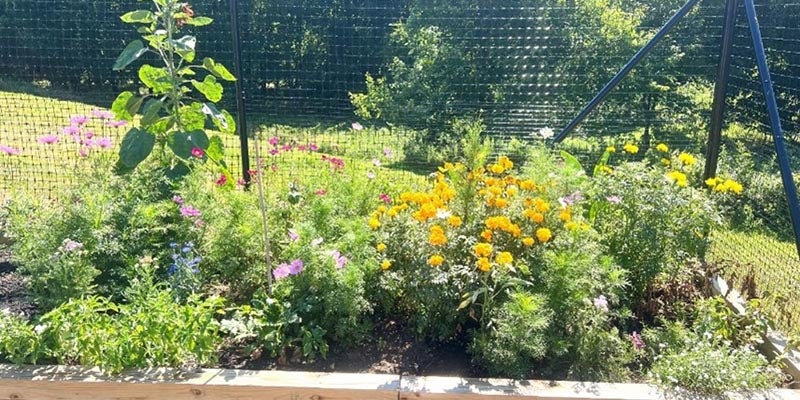
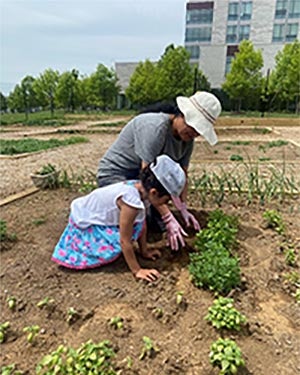
- Community Greenhouse and Garden: Providing fresh, locally grown produce and engaging Montgomery County residents in sustainable garden practices to address food insecurity.
- Farmers Market and Food Pantry: Establishing a market that accepts SNAP benefits to increase access to affordable fresh produce, support local farmers, and provide an entrepreneurial outlet for the community garden participants to sell their produce and products. Proposed location is the campus of Montgomery College – Germantown. Additionally, convert the closed coffee shop at Holy Cross Germantown Hospital into a food pantry to provide food assistance for identified Holy Cross colleagues experiencing food insecurity.
- Food Literacy Programs: Educating residents about nutrition, cooking and budgeting to empower healthier food choices