
Many people are aware of the classic warning signs of stroke, including sudden facial drooping, blurry vision, slurred speech and loss of balance.
But these symptoms aren’t always so straightforward in women.
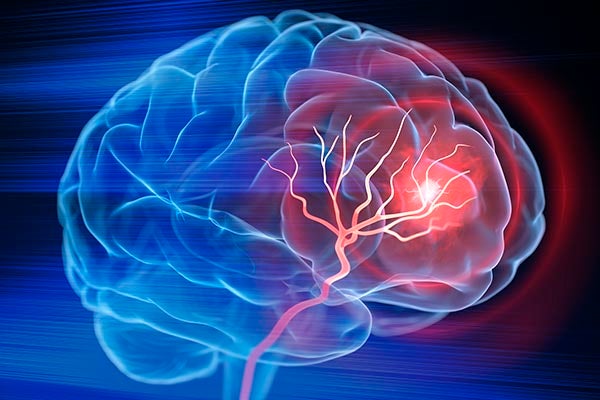 Women are more likely than men to experience symptoms such as sudden fatigue, confusion, generalized weakness or overall sense of unwellness. Because these symptoms can be mistaken for stress, exhaustion or hormonal changes, women may delay seeking care, resulting in higher rates of mortality and long-term disability.
Stroke is the third leading cause of death among women in the United States. In fact, one in five women will experience a stroke during her lifetime, with stroke claiming twice as many lives as breast cancer.
Shahid Rafiq, MD, a neurologist at Holy Cross Hospital’s comprehensive neurology services, is helping raise awareness about the unique ways stroke can present differently in women and why recognizing symptoms is critical to improving outcomes.
While some stroke risk factors—such as high blood pressure, high cholesterol, diabetes, smoking and drinking alcohol, obesity and obstructive sleep apnea—apply to both men and women, there are others that are specific to the latter. They include:
- Pregnancy
- Oral contraceptives
- Conditions related to the uterus, such as endometriosis
- Premature menopause
- Migraines with aura
- Age
“Risk factors add up. The more risk factors someone has, the higher the chance of having a stroke” says Dr. Rafiq.
Know the signs: BE FAST
The acronym BE FAST helps the public identify the classic stroke symptoms:
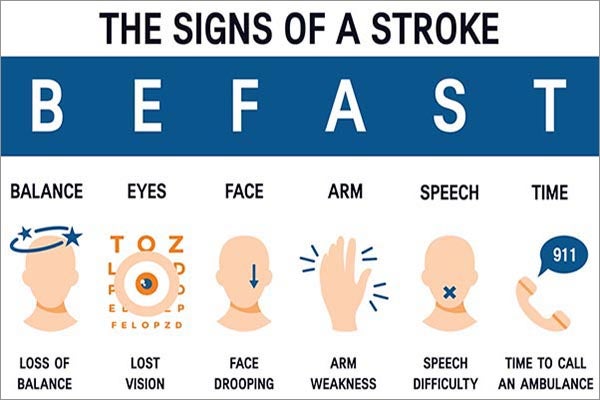 Balance: Difficulty walking
- Eyes: Vision changes, partial loss of the visual field
- Face: Drooping or numbness on one side
- Arm: Weakness in the limbs
- Speech: Slurred words or difficulty speaking
- Time: Call 911 immediately, as every second counts
While these symptoms remain important, women may also experience less recognized warning signs, including:
- Fatigue
- Generalized weakness
- Altered mental status
- Confusion
- General sense of not feeling well
“These symptoms can be dismissed as stress, exhaustion or the result of balancing work, home and family responsibilities. They can even be confused as symptoms of menopause or perimenopause,” says Dr. Rafiq. “The important distinction is suddenness. Any neurological symptoms that start suddenly can be a stroke.”
Every minute matters
When it comes to stroke, time is brain.
Clot-busting medicine is most effective within approximately four and a half hours of symptom onset. The sooner the treatment begins, the greater the chance of preventing death or disability.
“Women are currently receiving clot-busting treatment less often than men, even though they can benefit greatly from it,” says Dr. Rafiq. “Women are also having strokes that cause larger deficits, including strokes involving the middle cerebral artery, which supplies important parts of the brain, including language areas.”
Clot-busting medicine is most effective within approximately four and a half hours of symptom onset. The sooner the treatment begins, the greater the chance of preventing death or disability.
If you suspect a stroke, don’t wait to see if symptoms improve. Call 911 immediately.
Prevention starts with awareness
Dr. Rafiq has some final reminders for women: Know the symptoms of stroke, don’t be afraid to call for help, and keep up with primary care appointments to ensure blood pressure and cholesterol levels are in check before a stroke has the chance to occur.
While some risk factors, including age, genetics, family history and prior stroke cannot be changed, many others can be managed through lifestyle changes and preventative care.
“The important distinction is suddenness. Any neurological symptoms that start suddenly can be a stroke.” – Shahid Rafiq, MD
The bottom line: Trust your instincts. If something feels suddenly different or wrong, seek medical attention right away. It could save your life.